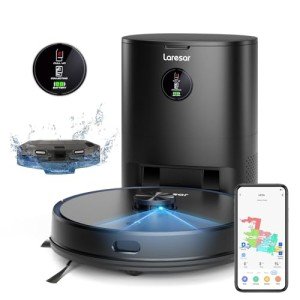
The Rise of Smart Vacuums: Revolutionizing Home Cleaning
In the last few years, the development of smart innovation has transformed various aspects of everyday life, and home cleaning is no exception. similar website , often referred to as robotic vacuums, boast advanced functions such as automated cleaning patterns, scheduling through mobile applications, and combination with smart home systems. This post checks out the innovation behind smart vacuums, their benefits, possible downsides, and answers some frequently asked concerns.
Understanding Smart Vacuum Technology
Smart vacuums utilize a mix of sensors, cameras, and expert system to browse through homes. They can determine barriers, avoid dropping stairs, and effectively map the layout of a space to guarantee extensive cleaning. Here are some essential parts that make these gadgets intelligent:
Key Features of Smart Vacuums
- Navigation Systems: Utilizing laser mapping or video camera vision technologies, smart vacuums create a map of a home's design, allowing them to tidy methodically instead of arbitrarily.
- Scheduling and Remote Control: Many gadgets included smart device apps or voice assistant abilities, enabling users to start, stop, or schedule cleaning sessions remotely.
- Varied Cleaning Modes: Smart vacuums often consist of different cleaning modes like spot cleaning, edge cleaning, and a basic cleaning cycle customized to various areas and surface areas.
- Self-Charging: When the battery runs low, smart vacuums can autonomously return to their charging stations, guaranteeing they're always prepared for the next cleaning session.
- Smart Home Integration: Compatibility with platforms like Amazon Alexa or Google Home permits users to control their vacuums with voice commands.
The Benefits of Smart Vacuums
Smart vacuums offer various advantages that cater to modern-day way of lives. A few of the benefits include:
- Time-Saving: Automated cleaning indicates house owners can spend less time managing home chores.
- Convenience: Scheduling cleanings enables upkeep to continue even when occupants are away.
- Thorough Cleaning: Advanced sensing units make it possible for smart vacuums to navigate difficult-to-reach areas, making sure a thorough cleaning.
- Pet-Friendly Options: Many models are created to handle pet hair and dander, reducing the burden for animal owners.
Smart Vacuum Comparison Table
| Function | Budget Models | Mid-Range Models | High-End Models |
|---|---|---|---|
| Price Range | ₤ 100 - ₤ 300 | ₤ 300 - ₤ 600 | ₤ 600 - ₤ 1,000+ |
| Navigation | Basic | Laser Mapping | Advanced Laser & & Camera-Enabled |
| Mobile App Control | No | Yes | Yes |
| Battery Life | 60-90 minutes | 90-120 minutes | 120+ minutes |
| Pet Hair Removal | Basic | Moderate | Exceptional |
| Upkeep Alerts | No | Yes | Yes |
| Smart Home Compatibility | Limited | Yes | Yes |
Potential Drawbacks of Smart Vacuums
Despite the various benefits, there are some restrictions to consider when purchasing a smart vacuum:
- Initial Cost: Smart vacuums can be more costly than conventional vacuums, potentially making them less available for budget-conscious customers.
- Maintenance Requirements: While the makers do the cleaning, they still require regular maintenance, such as emptying dustbins and cleaning brushes.
- Restricted Capabilities: Some designs might struggle with heavy particles or deep carpet cleaning and might be best utilized as an extra cleaning tool.
- Connectivity Issues: Depending on Wi-Fi strength and home layout, some users might experience challenges with app connection or voice commands.
Smart Vacuums vs. Traditional Vacuums
When deciding between smart vacuums and conventional vacuum, it's crucial to weigh the advantages and disadvantages of each choice.
Conventional Vacuum Advantages
- Effective Suction: Generally, standard vacuums offer more powerful suction and can deal with bigger messes.
- Flexibility: They can much better handle a variety of surfaces, consisting of upholstery and stairs.
- Lower Upfront Costs: Traditional vacuums come in a large variety of rates, making them available for many homes.
Smart Vacuum Advantages
- Automated Cleaning: They enable simple and easy, scheduled cleaning without human intervention.
- Space Saving: Smart vacuums are compact and can be quickly kept in little spaces.
- Technological Proficiency: Many designs supply functions like mapping, app control, and voice support.
Regularly Asked Questions About Smart Vacuums
1. How reliable are smart vacuums in cleaning homes?
Smart vacuums are normally reliable for regular cleaning of dirt and debris, particularly on difficult floorings and low-pile carpets. Nevertheless, they might not replace deep cleaning for carpets.
2. Can smart vacuums handle pet hair?
Yes, many smart vacuums are specifically developed with effective suction and brush systems to deal with family pet hair, making them a fantastic choice for pet owners.
3. How do I preserve my smart vacuum?
Routine maintenance includes clearing the dustbin, cleaning the filters, and examining the brushes. Refer to the manufacturer's standards for particular upkeep ideas.
4. Are smart vacuums loud?
Smart vacuums typically produce less sound than conventional vacuums, making them a quieter choice for daily cleaning tasks.
5. Do smart vacuums deal with carpet?
Numerous smart vacuums can clean up low to medium-pile carpets efficiently, but efficiency might differ by design. Always inspect the requirements to ensure ideal efficiency on your carpets.
Smart vacuums exemplify the intersection of convenience and technology in contemporary home cleaning. With functions that not just simplify everyday tasks but likewise boost effectiveness, they are rapidly becoming a staple in contemporary families. While they may not totally change conventional vacuum, smart vacuums work as an important tool for maintaining a tidy and neat home with minimal effort. As innovation continues to advance, it is likely that these devices will just become more efficient and accessible for all customers.